SOM Foundation Research Fellowship — Repetition and Modularity in Structural Design
As the sole recipient of the SOM Foundation Research Fellowship, this independent research project examined how repetition and modularity in structural design can achieve elegance, efficiency, and economy simultaneously. The research investigated why certain modular structures transcend perceived monotony to become architecturally compelling, while others remain purely utilitarian.
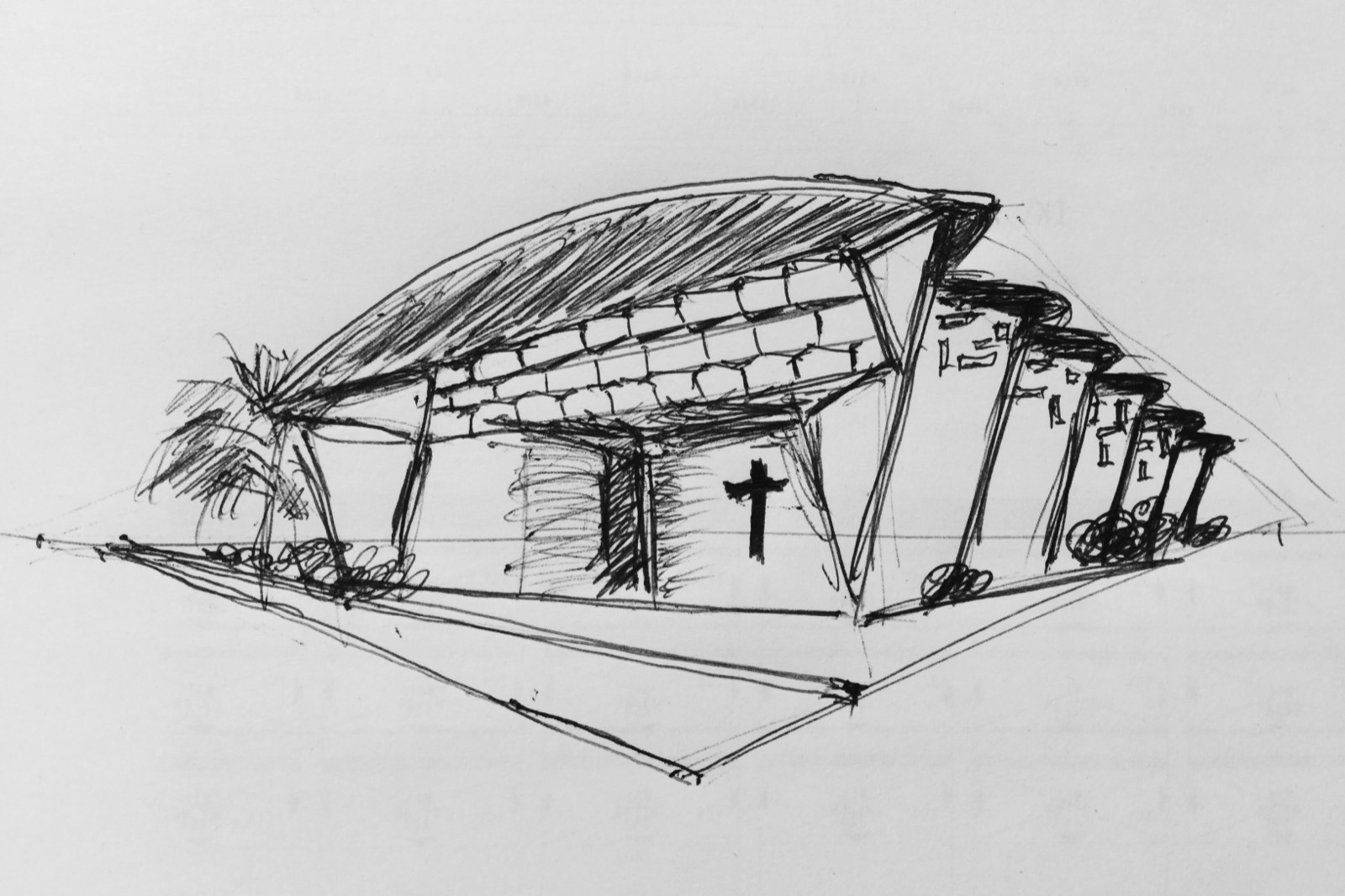
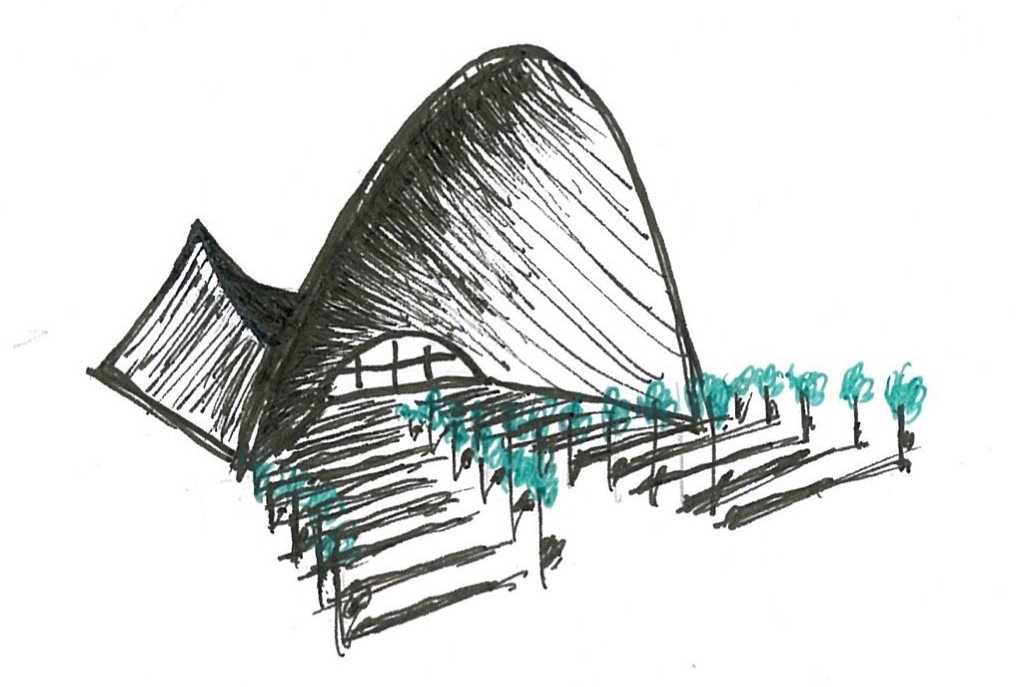
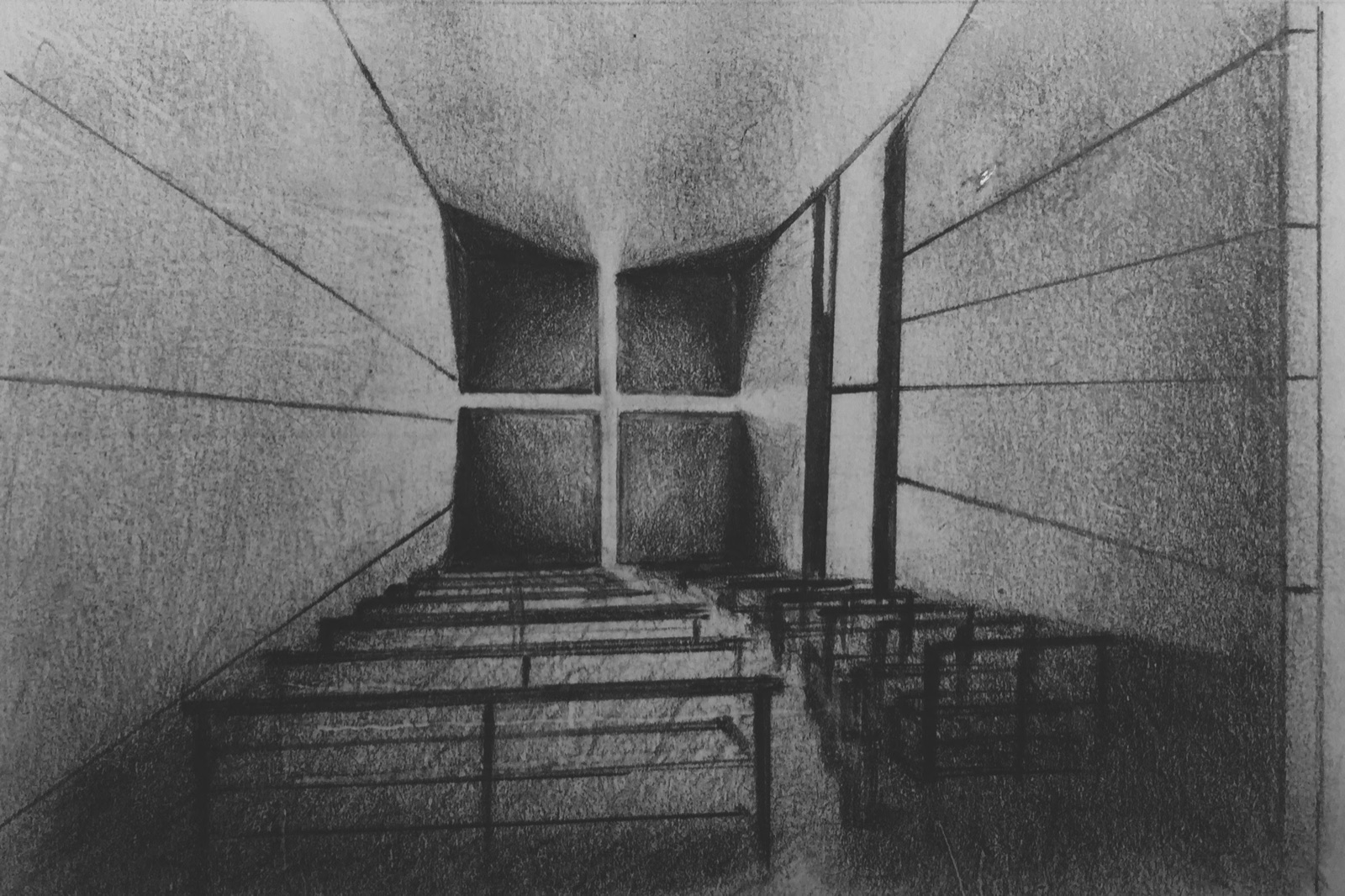
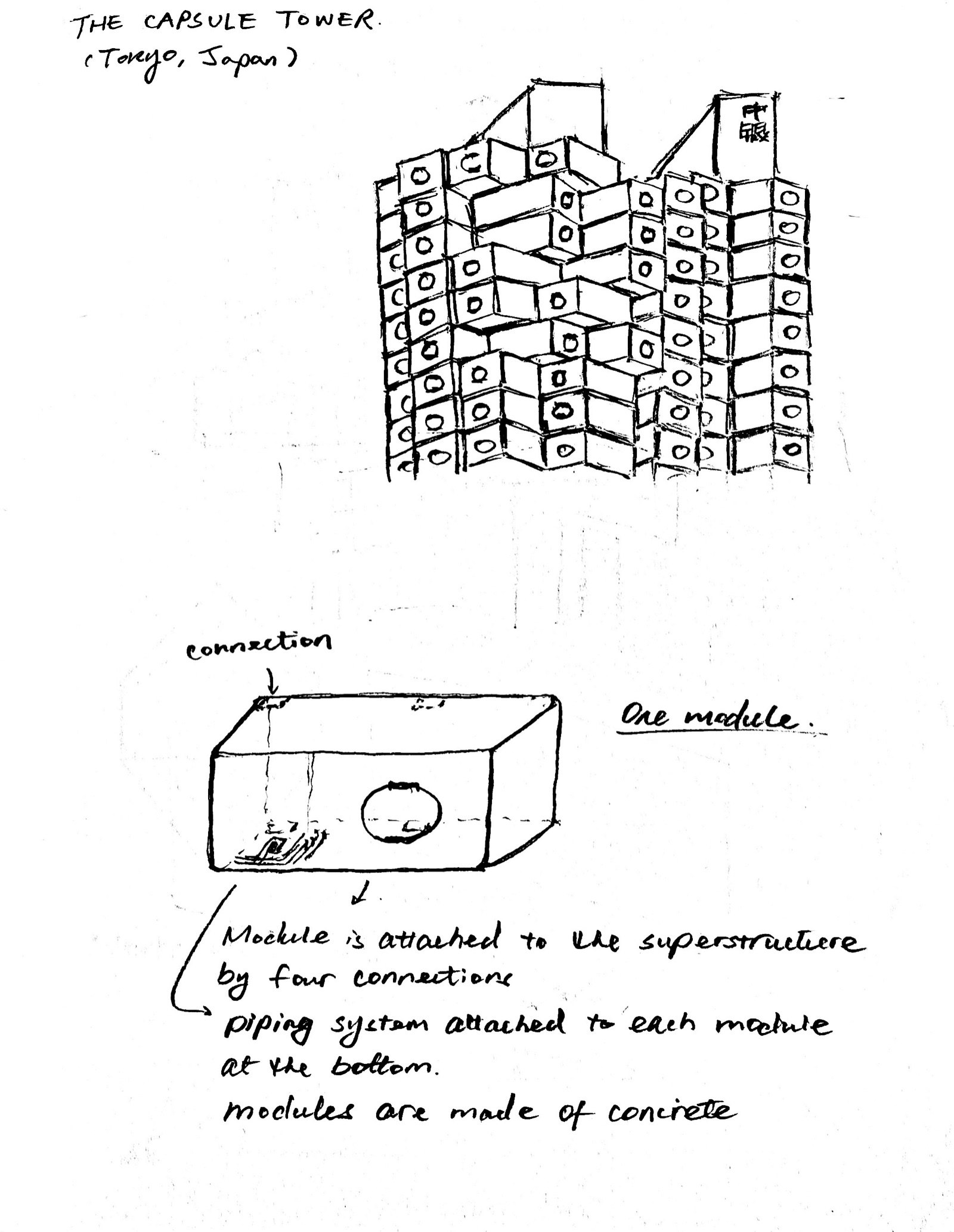
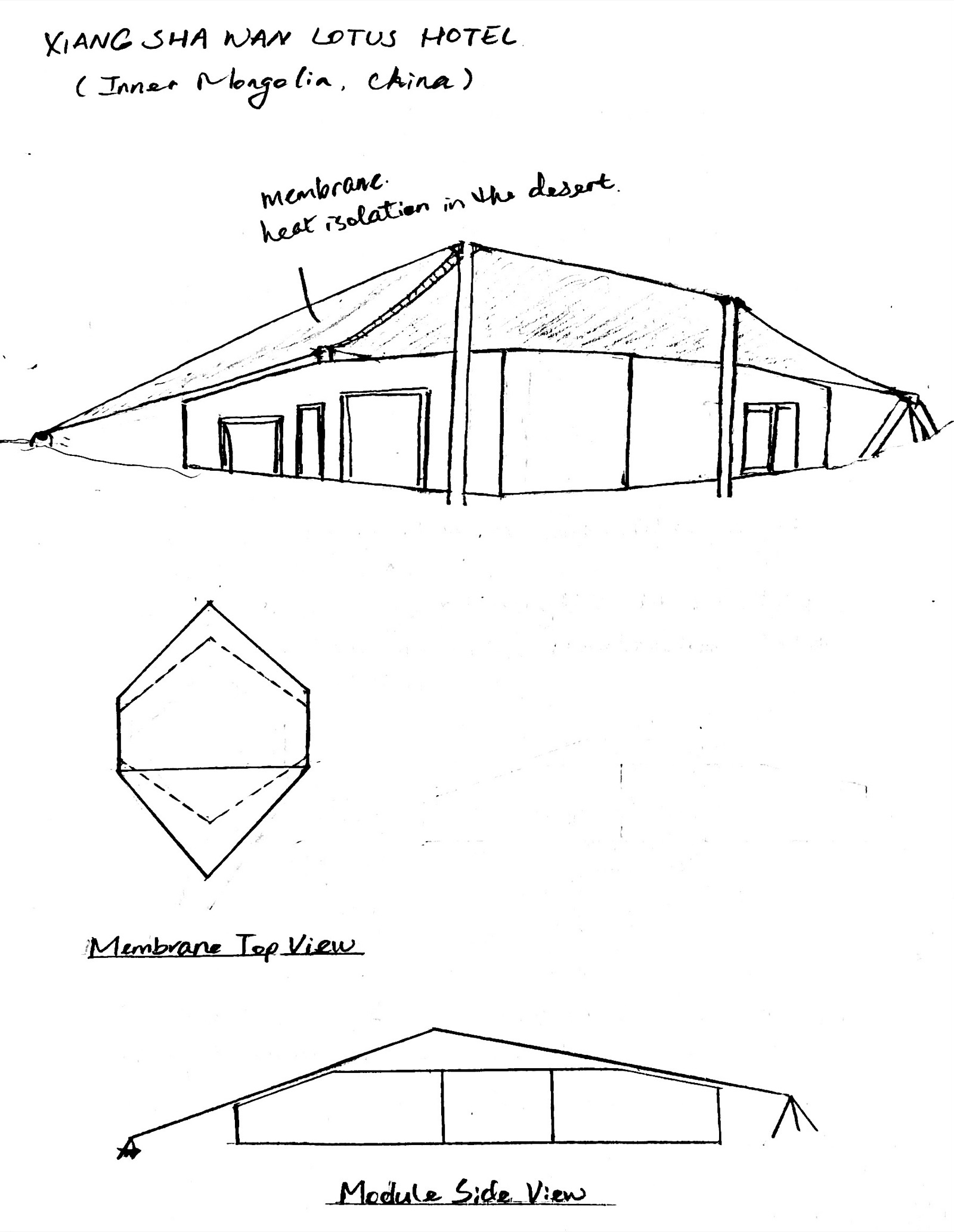
The study combined theoretical analysis, literature review, and firsthand site visits to forty exemplary projects across Europe, Latin America, and Asia, supported by interviews with renowned architects, engineers, and scholars. These projects—spanning diverse functions, materials, and cultural contexts—demonstrated how thoughtful modular form, proportion, and arrangement can generate strong visual identity, structural clarity, and constructability.
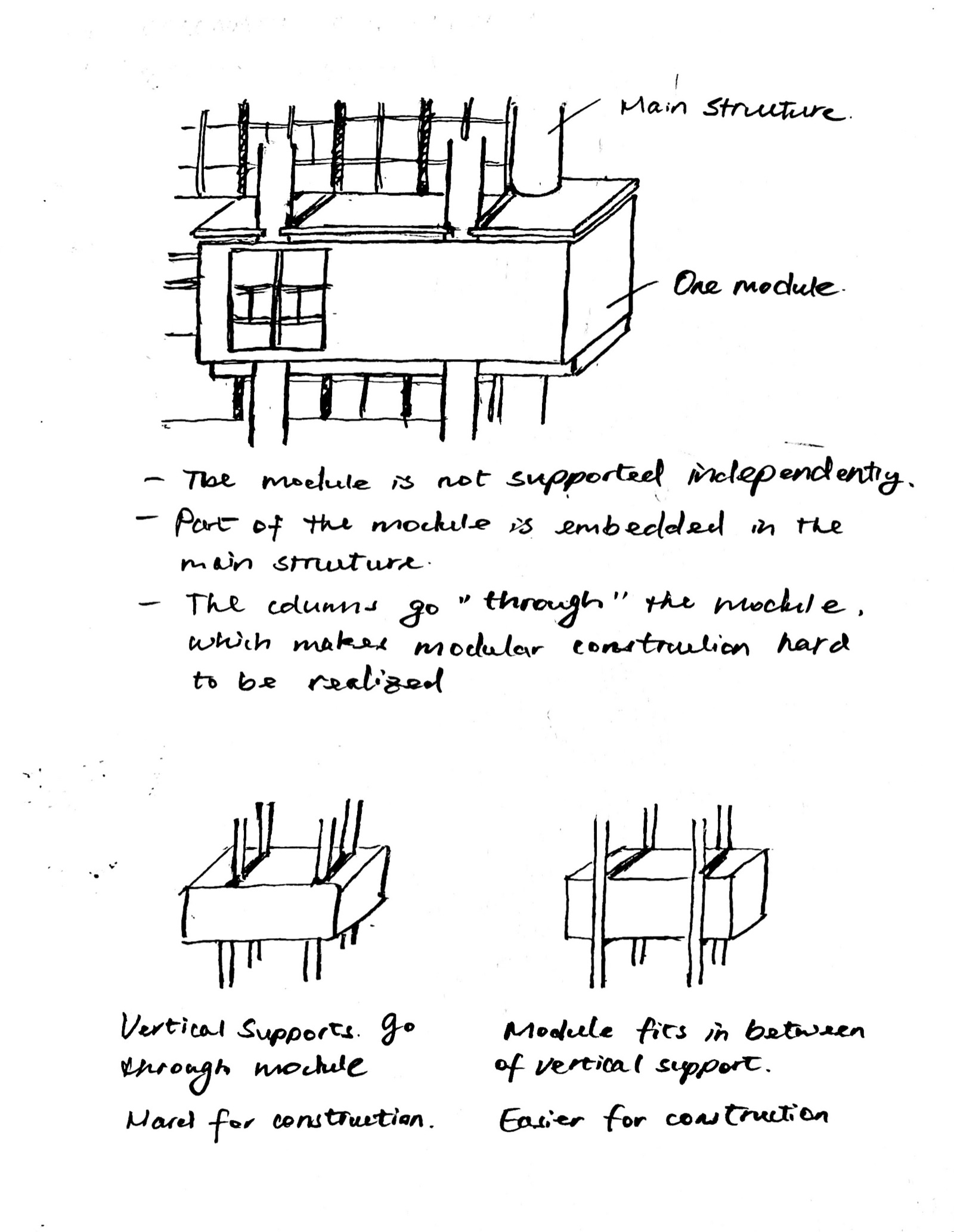
The research identified modular form and arrangement as the two critical design variables distinguishing exceptional repetitive architecture from the ordinary. When carefully designed, repetition enhances structural integrity, simplifies load transfer, enables prefabrication, and reduces construction cost and complexity—while simultaneously reinforcing architectural expression through order, rhythm, and logic.
The findings advocate for a more intentional integration of design and construction processes, positioning structural repetition and modularity as essential strategies for contemporary practice amid increasing economic, environmental, and technical demands. The research contributes a design framework aimed at helping architects and engineers create structures that are elegant, efficient, economical, and buildable, advancing modular thinking beyond efficiency toward architectural excellence.
Read the research proposal
Read the final report